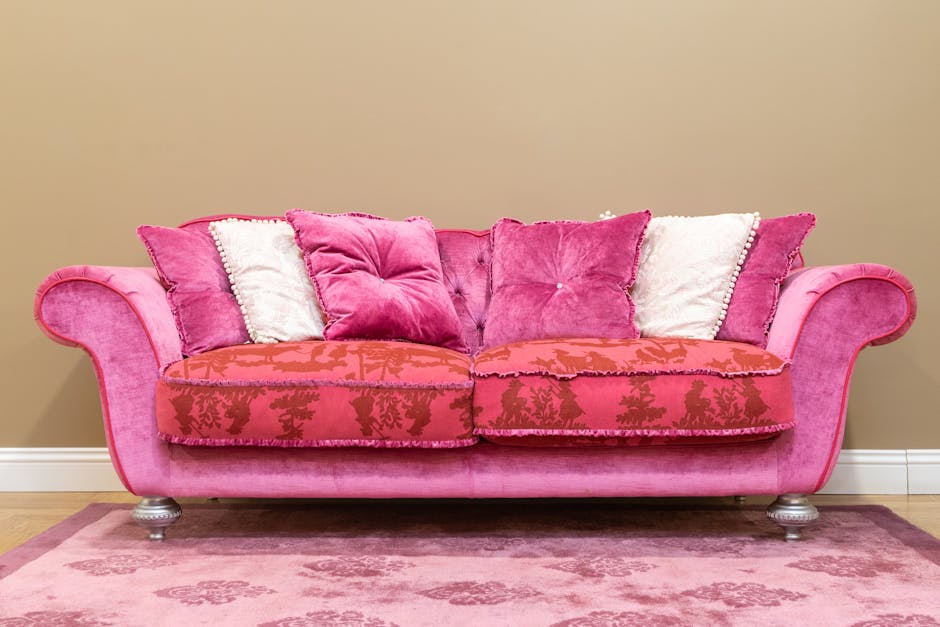
Earlswood road upholstery cleaning guide for Surrey homes
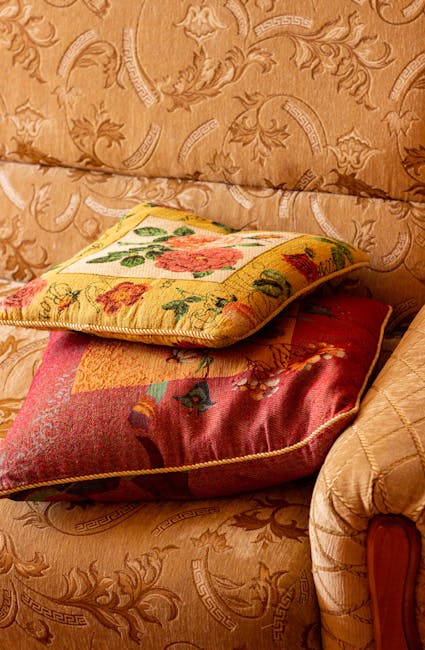
If your sofa looks a bit tired, your dining chairs have picked up everyday marks, or the family armchair has that "lived-in" smell that nobody wants to admit to, this guide is for you. The Earlswood road upholstery cleaning guide for Surrey homes is a practical, no-nonsense walkthrough for keeping fabric furniture cleaner, fresher, and in better shape for longer. In Surrey homes, where muddy shoes, pets, school bags, and the occasional cup of tea all meet the same sofa, upholstery cleaning is less of a luxury and more of a maintenance job.
Below, you'll find how upholstery cleaning works, which methods suit different fabrics, common mistakes to avoid, and when it makes sense to bring in a professional. If you want broader support too, the site's upholstery cleaning service and sofa cleaning pages are useful next stops.
Truth be told, upholstery is easy to ignore until a stain appears or the room starts feeling dull. But with the right approach, you can usually improve appearance, comfort, and hygiene without overcomplicating things.
Why Earlswood road upholstery cleaning guide for Surrey homes Matters
Upholstery takes more daily wear than most people realise. You sit on it, lean on it, spill on it, nap on it, and occasionally let the dog claim the best seat in the house. Over time, dust, body oils, food crumbs, pollen, pet dander, and general grime settle into the fibres. The result is not just a dull-looking sofa or chair. It can also become less comfortable and harder to keep fresh.
For Surrey homes, there are a few extra realities. Many houses have busy family routines, open-plan living spaces, and a mix of fabrics, from modern synthetic blends to older delicate textiles. Some properties also face seasonal dampness or heavier mud tracking, especially after wet weather. That means upholstery can pick up odours and embedded dirt faster than you'd expect.
Why does that matter? Because fabric furniture often costs more to replace than people plan for. A sensible cleaning routine can help you protect that investment and avoid the all-too-familiar moment when a once-good sofa starts looking permanently grey around the edges. Not ideal, obviously.
There's also the comfort factor. A cleaner armchair feels better to use. A fresher sofa makes the whole room feel sharper. In practical terms, good cleaning is one of those small jobs that quietly lifts the whole house.
How Earlswood road upholstery cleaning guide for Surrey homes Works
Upholstery cleaning usually starts with identifying the fabric type, the level of soiling, and whether there are any special issues such as pet odour, ink, grease, or old water marks. The method chosen matters a lot. The wrong approach can cause colour fading, shrinkage, water rings, or damage to the padding beneath the fabric.
In plain English, the process usually goes like this:
- Inspect the item for fabric type, seams, buttons, joins, fading, and existing damage.
- Test the cleaning method in an inconspicuous area.
- Remove loose debris using vacuuming and gentle agitation where appropriate.
- Treat stains with the right solution for the stain type and fabric.
- Clean the fabric using low-moisture, hot water extraction, foam, dry cleaning solvent, or another suitable technique.
- Rinse or neutralise as needed so residues do not attract more dirt.
- Dry thoroughly with airflow and sensible room ventilation.
That sounds straightforward, but the details matter. For example, a synthetic sofa can often tolerate more moisture than a silk-blend or antique piece. A heavily used family sofa may benefit from hot water extraction, while a very delicate item might need a drier approach. If you are unsure, reading the care label is the first sensible move. When labels are missing or unreadable, caution wins every time.
Professionals will usually look at more than the visible stain. They'll think about backing materials, previous cleaning attempts, construction, and drying time. That wider view is what often separates decent results from messy ones.
Key Benefits and Practical Advantages
There are plenty of reasons Surrey homeowners book upholstery cleaning, and not all of them are about appearance. Clean upholstery has several practical advantages that show up quickly once the work is done.
- Better appearance: colours look brighter, fibres stand up more naturally, and the room feels cared for.
- Improved freshness: trapped odours from cooking, pets, smoke, and everyday living are reduced.
- Longer fabric life: removing grit and residues helps reduce wear on the fibres.
- More comfortable seating: the fabric feels cleaner and less sticky or dusty.
- Helpful for households with pets or children: day-to-day spills and mess are easier to manage before they become permanent.
- Better presentation for visitors or rentals: useful if you are preparing a home for guests, sale, or letting.
There's also the simple psychological benefit. A cleaner sofa makes the whole lounge feel lighter. You notice it when you walk in. It's a small thing, but not really small at all.
If your home has other textile furnishings nearby, coordinating care can make sense. For example, a broader fabric refresh might include curtain cleaning or even a fuller soft-furnishing approach alongside rug cleaning. That way the room feels consistent rather than half-done.
Who This Is For and When It Makes Sense
This guide suits homeowners, tenants, landlords, and anyone who wants to keep upholstered furniture in good shape without guessing their way through it. It is especially useful if your furniture falls into any of these categories:
- family sofas and armchairs with regular use
- dining chairs that pick up food marks and general handling wear
- rental properties where presentation matters
- homes with pets, where fur and odour can build up quietly
- households with allergies or dust sensitivity
- older furniture you want to keep rather than replace
- fabrics with one-off stains that need careful attention
When does it make sense to clean upholstery? Usually when you notice visible marks, a stale smell, flattened fabric, or a "not quite fresh" feeling even after vacuuming. Some people schedule cleaning seasonally; others wait until before guests arrive or after a busy winter. Both approaches are fair enough.
It also makes sense after a spill if the fabric still has a chance of recovery. The sooner you treat it, the better. Left too long, a small splash can turn into a shadowy patch that keeps coming back, like it has unfinished business.
Step-by-Step Guidance
If you want a practical way to approach upholstery cleaning at home, start with the basics and move slowly. Rushing is where things go sideways.
1. Check the care label
Look for the manufacturer's cleaning instructions. These often use codes that indicate whether the fabric can be cleaned with water, solvents, or only professional methods. If the label is unclear or missing, assume the most delicate option until you know more.
2. Vacuum thoroughly
Use a upholstery attachment to remove crumbs, dust, hair, and grit. Pay attention to seams, folds, buttoned areas, and the space under cushions. A cleaner surface means better stain treatment and less rubbing dirt further into the weave.
3. Identify the stain type
Not every stain behaves the same way. Water-based spills, grease, food stains, and pet accidents each need a slightly different approach. Treating everything with the same product is one of the quickest ways to create a bigger problem.
4. Spot test first
Apply any cleaner in a hidden area first. Wait for it to dry. That tiny pause can save you from colour change, ring marks, or texture damage. Boring step, yes. Necessary step, absolutely.
5. Choose the right cleaning method
Light soiling may respond well to a gentle fabric cleaner or low-moisture method. Deeper embedded dirt often needs professional hot water extraction or a specialist upholstery process. Delicate fabrics may need controlled dry cleaning instead.
6. Work from the outside of the stain inward
This helps stop the mark spreading. Use light pressure. Too much scrubbing can rough up the fibres or distort the pile.
7. Remove excess moisture
Blot rather than rub. Then let airflow do its job. Open windows if the weather allows, and avoid sitting on the furniture until it is properly dry. Nobody likes that damp-sofa feeling. Nobody.
8. Finish with a final inspection
Once dry, check for tide marks, missed spots, or lingering odours. A second gentle pass may be needed in problem areas, but do not keep re-wetting the same section repeatedly.
For more persistent staining, a dedicated stain removal approach may be more appropriate than a general clean, especially where the mark is old or has already been treated once badly.
Expert Tips for Better Results
A few small habits make a large difference. In our experience, the best results rarely come from more product. They come from better judgement.
- Vacuum before any wet cleaning. It reduces sludge, residue, and unnecessary rubbing.
- Use less water than you think. Over-wetting causes long drying times and can leave marks.
- Keep the room ventilated. Air movement matters more than people expect.
- Deal with spills quickly. Fresh stains are always easier than old ones.
- Match the method to the material. Velvet, linen, synthetics, leather-look fabrics, and blends all behave differently.
- Use clean cloths. A dirty cloth can re-deposit grime and create smears.
If you have pets, pet hair and dander can cling to fibres even after a surface clean. In that case, it can help to combine upholstery maintenance with pet stain and odour removal planning so the smell issue is addressed properly rather than masked.
One practical tip that sounds almost too simple: stand back and look at the furniture from the doorway before you start. You'll often spot the faded areas and traffic marks more clearly from a distance. Strange, but true.
Common Mistakes to Avoid
Most upholstery damage comes from well-meaning but clumsy cleaning. Let's face it, that's frustrating because the intention was good.
- Scrubbing hard: This can distort the fibres and spread the stain.
- Using too much cleaner: Residue attracts dirt and can leave sticky patches.
- Skipping the spot test: A quick test would have saved a lot of hassle.
- Mixing products: Some combinations are unpredictable and unpleasant.
- Ignoring the fabric code: What works on one sofa can ruin another.
- Trying to dry too quickly with heat: High heat can set some stains or damage fabric.
- Cleaning only the visible mark: This often leaves a halo around the stain.
There's also the "one more spray should fix it" trap. It rarely does. More liquid, more pressure, more product - that's the sort of logic upholstery tends to punish.
Tools, Resources and Recommendations
You do not need a house full of specialist equipment to care for upholstery, but a few sensible tools make home maintenance far easier.
| Tool or resource | What it helps with | Best use case |
|---|---|---|
| Upholstery vacuum attachment | Removing dust, crumbs, hair, and grit | Weekly or fortnightly maintenance |
| White microfibre cloths | Blotting spills and lifting residue | Spot treatment and dry finishing |
| Soft brush | Loosening debris from textured fabrics | Pre-clean preparation |
| Fabric-safe cleaner | Handling light marks and fresh spills | Small, localised stains |
| Fan or natural airflow | Encouraging drying | After any wet clean |
| Manufacturer care label | Guiding the right method | Before any treatment |
If the furniture is especially valuable, unusually delicate, or already damaged, professional support is the safer choice. A proper upholstery cleaning service can assess the fabric type and choose a method that balances cleaning power with protection.
For broader home care, many Surrey households also pair upholstery work with carpet cleaning or, in some cases, steam carpet cleaning to bring the whole room back into balance. It depends on the room, the budget, and how far the wear has spread.
Law, Compliance, Standards, or Best Practice
For homeowners, upholstery cleaning is not usually a heavily regulated activity in itself. Still, best practice matters, especially where safety, fabric care, and consumer trust are concerned. If a professional is working in your home, you should expect sensible hygiene practices, transparent communication, and care around wet floors, equipment cables, and drying times.
For business users or landlords, the standards get broader. You may need to think about tenant handovers, property condition, and whether the contractor has suitable insurance. It is reasonable to ask about public liability cover, how products are used, and whether technicians follow health and safety procedures. A service provider should be able to discuss these points clearly, not dodge them.
It is also fair to expect clear terms, secure payment handling, and straightforward pricing. If you are comparing providers, the site's pricing and quotes information can help set expectations, while payment and security should give reassurance around the transaction side.
From a practical standpoint, good housekeeping is the real standard here: test first, protect surrounding surfaces, explain limitations, and dry thoroughly. That's what good practice looks like in a real home, not in a brochure.
Options, Methods, or Comparison Table
Different upholstery cleaning methods suit different fabrics and situations. Here's a simple comparison to help you think clearly before you choose.
| Method | Best for | Pros | Watch-outs |
|---|---|---|---|
| Vacuuming and dry maintenance | Routine care, dust, hair, crumbs | Safe, quick, useful between deeper cleans | Will not remove embedded stains |
| Foam or low-moisture cleaning | Many everyday fabrics with light to moderate soiling | Faster drying, reduced water exposure | May not fully lift deep-set contamination |
| Hot water extraction | Durable upholstery with heavier soiling | Strong cleaning power, effective rinse | Needs controlled moisture and drying time |
| Dry solvent cleaning | Delicate or moisture-sensitive fabrics | Lower water risk, suitable for some fragile items | Requires correct product selection and handling |
| Targeted stain treatment | Specific spots, spills, and odours | Focused and efficient | Can leave rings if not blended properly |
There is no universal "best" method. The right choice depends on the fabric, how dirty it is, and how much drying time you can allow. If the furniture is part of a larger refresh, you might also look at sofa cleaning or rug cleaning so the room feels coherent rather than half-cleaned.
Case Study or Real-World Example
Here's a realistic example. A Surrey family home had a mid-grey fabric sofa in the lounge, two dining chairs near the kitchen, and a pet bed tucked into the corner of the room. Nothing dramatic, just normal life. Over time, the sofa looked patchy in the main seating areas, the chairs had a faint food shadow along the edges, and the room carried a mild dog smell by late afternoon.
They started with vacuuming and spot testing. The dining chairs responded well to gentle targeted treatment, but the sofa needed a more careful deep clean because the weave held grime in the armrests and seat cushions. A low-moisture method was the better choice there because it reduced the risk of over-wetting and helped the room stay usable sooner.
The surprising bit? The biggest improvement was not only visual. Once the odour and surface dust were reduced, the whole lounge felt lighter. The family noticed it immediately when they came in from the garden. Not glamorous, just genuinely useful. That is often how good upholstery cleaning feels in practice.
If the same home had also wanted heavier fabric items refreshed, they could have considered mattress cleaning for sleeping areas or paired it with broader textile care through curtain cleaning. Small improvements add up fast in a lived-in house.
Practical Checklist
Before you clean upholstery, run through this quick checklist. It keeps the process calmer, and yes, calmer usually means cleaner.
- Check the fabric care label or manufacturer instructions.
- Vacuum all cushions, seams, edges, and hidden creases.
- Identify the stain type before applying any product.
- Spot test in a hidden area.
- Choose the mildest effective method first.
- Use clean cloths and avoid aggressive scrubbing.
- Blot, do not rub.
- Keep water use controlled and even.
- Allow proper drying time with good airflow.
- Re-check for marks, odour, or residue after drying.
Expert summary: The safest upholstery cleaning approach is usually the one that removes the dirt without forcing the fabric to endure more moisture, heat, or friction than it needs. Simple, really - but people forget it all the time.
If you are looking for a more complete home refresh, it may also make sense to review the company's about us page and insurance and safety information before booking anything. That extra check gives peace of mind, especially when work is being carried out inside your home.
Conclusion
The best upholstery cleaning plan for Surrey homes is usually the one that combines regular maintenance, sensible stain treatment, and the right method for the fabric. Don't wait until the sofa looks truly exhausted. A little attention now and then can keep furniture looking better for years, and it often saves money in the long run.
Whether you are cleaning a family sofa, freshening a dining chair, or trying to lift a stubborn patch before guests arrive, the principles stay the same: identify the material, test first, use the least aggressive effective method, and dry it properly. That's the real heart of the Earlswood road upholstery cleaning guide for Surrey homes.
And if you'd rather not take any risks with a favourite piece, there's no shame in handing it over to a specialist. Sometimes the sensible decision is simply the best one, and that's perfectly fine.
Get a free quote today and see how much you can save.
For a final bit of reassurance, remember this: clean upholstery does more than improve a room. It makes the home feel looked after. That feeling matters, even on an ordinary Tuesday afternoon.
Frequently Asked Questions
How often should upholstery be cleaned in a Surrey home?
For most homes, light maintenance should happen weekly or fortnightly through vacuuming, while deeper cleaning is often needed every 12 to 24 months depending on use, pets, and fabric type. Busy family homes may need attention sooner.
Can I clean upholstery myself?
Yes, for light surface soil and small fresh spills, careful DIY cleaning can work well. The key is to check the care label, test products first, and avoid soaking the fabric. Delicate or valuable items are safer with professional help.
What is the safest method for delicate fabrics?
Delicate fabrics often respond best to low-moisture or specialist dry cleaning methods. If the care label is unclear, use caution and avoid heavy water-based cleaning until you know the material can handle it.
Will upholstery cleaning remove pet odours?
It can reduce many pet-related smells, especially if the odour is in the fabric surface or light padding. Strong or repeated pet odours may need targeted treatment, sometimes alongside pet stain and odour removal.
How long does upholstery take to dry?
Drying time depends on the method, fabric, room ventilation, and weather. Light cleaning may dry fairly quickly, while deeper wet cleaning can take several hours or longer. Good airflow makes a big difference.
Can all stains be removed from upholstery?
No, not always. Some stains set permanently, some react badly to water, and some may have already been fixed in place by previous DIY attempts. A professional can often improve the appearance even if total removal is not possible.
Should I use steam on upholstery?
Not automatically. Steam is useful in some situations, but not for every fabric. It can be too aggressive for delicate materials or certain stains. The fabric type should guide the decision, not the other way around.
Is upholstery cleaning worth it before selling a home?
Often, yes. Fresh upholstery helps the property feel cleaner, better cared for, and more inviting in photographs and viewings. It is one of those small improvements that can quietly lift the overall impression.
What should I ask a professional upholstery cleaner?
Ask about fabric suitability, drying time, stain risks, insurance, and whether they can explain the method they plan to use. Clear answers are a good sign. If they seem vague, that's worth noticing.
Can upholstery cleaning help with allergies?
It may help reduce dust, dander, and trapped debris, which can make a room feel fresher. It is not a medical treatment, of course, but regular cleaning can support a cleaner indoor environment.
What if my sofa has water marks already?
Water marks can sometimes be improved with careful rebalancing of the affected area, but aggressive DIY attempts can make them worse. If the mark is large or on a delicate fabric, professional assessment is usually the safer route.
How do I know if a cleaner is using the right method?
They should inspect the fabric, test first, explain the process, and avoid promising miracles. A trustworthy cleaner will be careful with their wording, because real upholstery work depends on material, condition, and stain history.