Stain Removal in Everyday Life: Practical Methods for Cleaner Fabrics, Surfaces, and Spaces
Stain removal is one of those household skills that pays off immediately. Whether you are dealing with a coffee spill on a shirt, grease on a kitchen counter, ink on upholstery, or muddy marks on carpet, knowing the right stain removal method can save time, money, and frustration. The good news is that effective stain removal does not have to be complicated. With the right approach, the right products, and a little patience, most common stains can be reduced or eliminated before they become permanent.
In this article, we will explore stain removal strategies for many everyday situations, from fabric stain removal to surface cleaning and spot treatment. You will learn how stains behave, why some are harder to remove than others, and how to choose the best stain removal method for each type of spill. We will also cover prevention tips, safe cleaning practices, and when it makes sense to use professional help. If you are looking for stain removal tips that are useful, practical, and easy to apply, you are in the right place.
Effective stain removal starts with understanding the material you are cleaning. A technique that works beautifully on cotton may damage silk, and a product that lifts grease from tile may discolor wood. That is why stain removal should always begin with quick assessment, gentle action, and the right cleaner for the job. Acting fast often makes the difference between a temporary mess and a permanent mark.
Why Stain Removal Matters for Homes and Businesses
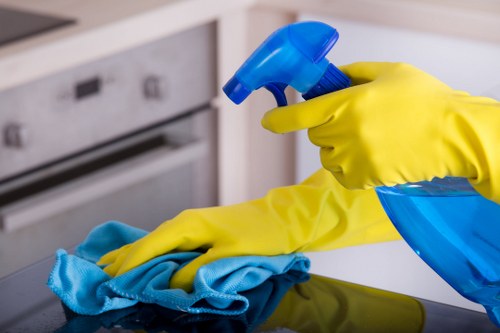
Stain removal is not only about appearance. Clean fabrics, floors, and furniture help create a healthier, more pleasant environment. In homes, stain removal can extend the life of clothing, curtains, rugs, upholstery, and linens. In offices, restaurants, rental properties, and retail spaces, stain removal supports a professional image and reduces the need for replacement items.
There is also a financial side to stain removal. Replacing a carpet, sofa cushion, or favorite garment can cost far more than cleaning it correctly the first time. Many stains become more stubborn over time, so immediate stain removal can prevent deeper penetration into fibers and surfaces. In short, prompt action often preserves both value and comfort.
Another important reason for stain removal is hygiene. Food spills, organic stains, and unknown marks can attract odors, bacteria, and pests if left untreated. Thorough stain removal helps maintain a cleaner indoor environment and reduces lingering smells. That is especially important in kitchens, bathrooms, childcare areas, and shared workspaces.
How Stains Form and Why They Stick
Stains form when a substance binds to a surface or gets trapped in tiny fibers, pores, or textures. Some stains, such as coffee or juice, are water-based and may respond well to blotting and mild cleaners. Others, such as oil, wax, paint, or ink, are more complex and may require special stain removal techniques. Heat, friction, and time can make these stains even harder to lift.
Understanding the stain type helps you avoid damaging the material. For example, rubbing a stain too aggressively can spread it, push it deeper, or fray delicate fibers. Smart stain removal means identifying the spill, choosing a suitable product, and using controlled motions. This is one reason why stain removal success often depends more on technique than on strength.
In stain removal, speed and gentleness usually beat force and guesswork. A careful response in the first few minutes is often far more effective than an intense cleanup attempt hours later.
Core Principles of Successful Stain Removal

Before tackling specific stains, it helps to understand a few universal stain removal rules. These principles apply whether you are cleaning clothing, upholstery, carpet, or hard surfaces. Following them can dramatically improve your results and reduce the risk of accidental damage.
- Act quickly: Fresh stains are easier to remove than old ones.
- Blot, don’t rub: Blotting lifts liquid without spreading the stain.
- Test first: Always test cleaning products in a hidden area.
- Use the right temperature: Hot water can set some stains permanently.
- Work from the outside in: This helps prevent spreading.
- Repeat carefully: Multiple gentle treatments are often better than one harsh one.
Another essential stain removal principle is to match the cleaning method to the stain source. Protein stains such as blood, eggs, and milk often require cold water first. Grease stains need an agent that breaks down oils. Ink stains may respond to alcohol-based solutions, while rust stains usually require specialized removers. Using the wrong method can make stain removal more difficult.
Also, remember that different materials react differently. Natural fabrics, synthetic fabrics, wood, stone, grout, and upholstery each need unique care. Safe stain removal means respecting the surface as much as the stain itself. If in doubt, use the mildest method first and increase intensity only if needed.
Tools and Products That Help
You do not need a huge arsenal to get started with stain removal. A few basic items can handle a surprising number of spills and spots. These include clean white cloths, a soft brush, paper towels, mild detergent, baking soda, white vinegar, hydrogen peroxide, rubbing alcohol, and a stain remover suited to the material. Each one has a different role in the stain removal process.
For example, white cloths are useful because they do not transfer dye during stain removal. A soft brush can help loosen residue from textured surfaces. Baking soda can absorb odors and moisture, while detergent can lift oily residue. However, always follow product instructions, especially on delicate fabrics and specialty finishes.
Preparation matters as much as the actual cleaning step. Keeping stain removal supplies organized and accessible makes it easier to treat spills before they settle.
Stain Removal on Clothing and Fabrics
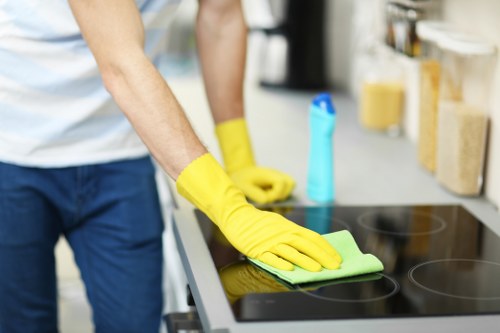
Clothing is one of the most common places where stain removal is needed. Shirts, pants, dresses, sportswear, and uniforms all face daily exposure to food, makeup, sweat, mud, and oil. Fabric stain removal can be very effective when handled promptly and carefully. The key is to identify the stain and the fabric type before choosing a method.
For general fabric stain removal, start by removing excess material with a spoon, dull knife, or cloth. Then blot the area with cold or lukewarm water unless the stain is greasy or otherwise sensitive to water. Apply a small amount of liquid detergent or stain remover and let it sit briefly before rinsing. Avoid drying the item until the stain is gone, because heat can set it permanently.
Here are some common clothing stain removal situations:
- Coffee and tea: Rinse with cold water, apply detergent, then wash as usual.
- Grease and oil: Sprinkle absorbent powder, apply dish soap, and gently work it in.
- Ink: Dab with alcohol on a clean cloth, then rinse and repeat as needed.
- Blood: Use cold water only at first, then treat with mild detergent.
- Makeup: Lift residue carefully, then pre-treat with stain remover or detergent.
Delicate Fabrics Need Extra Care
Silk, wool, lace, and cashmere require special stain removal attention. Aggressive scrubbing can distort the weave, cause pilling, or leave a ring mark. For these fabrics, use minimal moisture, mild products, and gentle blotting. If the garment is labeled dry clean only, avoid experimenting with strong home remedies unless the care label and product instructions clearly permit it.
For delicate stain removal, it is often best to stop early rather than overwork the area. Less can be more when dealing with premium fabrics.
If the stain remains after a few careful attempts, a professional cleaner may be the safest option. That can protect both the garment and its finish.
Stain Removal for Carpets, Rugs, and Upholstery

Carpet and upholstery stain removal calls for patience and controlled moisture. Unlike washable clothing, these surfaces cannot usually be tossed into a machine. That means your technique matters even more. Excess water can soak into padding or foam, creating odor, mold risk, or a larger stain ring. The best stain removal method is usually one that lifts residue without oversaturating the area.
Start carpet stain removal by blotting the spill with a dry cloth. Work from the outside toward the center to prevent spread. Then apply a small amount of cleaning solution, blot again, and continue until the stain lifts. Always avoid scrubbing hard, especially on looped carpets and woven upholstery. Gentle pressure gives better stain removal results and protects the fibers.
Many carpet and couch stains respond well to a simple mixture of water and mild detergent. However, some require a more targeted approach. Grease may need dish soap, pet stains may need enzymatic cleaners, and red wine often benefits from rapid blotting followed by a specialized spot treatment. Odor control is another important part of upholstery stain removal, especially in homes with pets or children.
Special Tips for Common Soft-Surface Stains
- Red wine: Blot immediately, use a suitable stain remover, and avoid heat until fully removed.
- Pet accidents: Use an enzyme cleaner to break down organic residue and odor.
- Chocolate: Scrape gently, then treat with cool water and detergent.
- Paint: Act fast; water-based paint may lift with water, while oil-based paint may require solvent-based cleaning.
- Mud: Let it dry, vacuum loose particles, then treat the residue.
For upholstery stain removal, fabric type matters just as much as stain type. Microfiber, cotton blends, synthetic covers, and velvet all have different tolerances. If the furniture has a cleaning code, follow it carefully. This can help you choose between water-based cleaning, solvent-based stain removal, or professional service.
Always allow carpets and upholstery to dry fully after stain removal. Good airflow, fans, and patience reduce the risk of leftover moisture and odors.
Stain Removal on Hard Surfaces
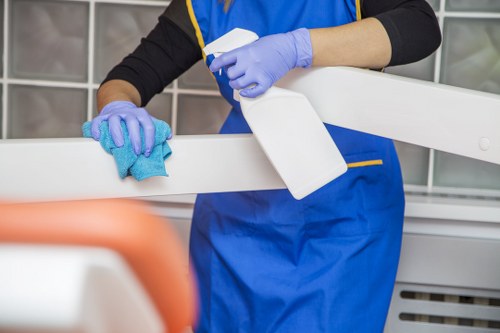
Hard surfaces often seem easier to clean, but they can still present stubborn stain removal challenges. Countertops, tile, grout, wood, laminate, glass, and metal each react differently to spills. Some surfaces absorb pigment or grease, while others show marks, streaks, or dullness after cleaning. The right stain removal method preserves the finish while restoring the surface.
For kitchen counters and tabletops, start by wiping up spills immediately. Then choose a cleaner that suits the surface material. On nonporous materials like glass or stainless steel, a mild cleaner is often enough. On porous materials such as natural stone or unfinished wood, avoid harsh chemicals that may etch, bleach, or penetrate the surface. Surface-safe stain removal is always better than aggressive cleaning.
Tile and grout stain removal often requires extra effort because grime settles into pores and lines. A soft brush, baking soda paste, or appropriate grout cleaner can help lift discoloration. For wood surfaces, use minimal liquid and wipe dry quickly. Excess moisture can warp or stain the finish, making stain removal harder in the long run.
Common Hard-Surface Stains
Water rings, grease splatters, food residue, rust marks, marker stains, and hard water buildup are all common. Each requires a slightly different stain removal strategy. Rust usually needs a rust-specific product. Water stains on wood may respond to gentle polishing or specialized wood treatment. Grease on tile or metal often lifts with degreasing cleaners. Marker stains may need careful solvent testing before treatment.
A simple rule for hard-surface stain removal is this: start mild and increase only as needed. Strong chemicals can damage sealants, dull shine, or leave residue behind. Careful stain removal preserves the finish you are trying to protect.
Natural Stain Removal Methods vs. Commercial Products
Many people prefer natural stain removal methods because they are affordable, accessible, and often effective for everyday messes. Baking soda, vinegar, lemon juice, and salt can all help in certain situations. For instance, baking soda is excellent for odor absorption and mild abrasion, while vinegar may help loosen mineral deposits or light residue. Lemon juice can assist with some discoloration, though it must be used carefully because it is acidic.
Commercial products, on the other hand, are often formulated for specific stain types. Enzyme cleaners are valuable for biological stains. Oxygen-based cleaners can help lift organic discoloration. Specialty stain removal sprays may be designed for grease, dye, rust, or fabric-safe pre-treatment. These products can be especially useful when natural methods are not enough.
The best approach often combines both. A natural absorbent may reduce the initial spill, while a commercial product finishes the stain removal process. What matters most is compatibility. Always read labels and avoid mixing chemicals, especially bleach with vinegar or ammonia, because dangerous fumes can result.
What Not to Do During Stain Removal
- Do not rub a fresh stain vigorously.
- Do not use heat before confirming the stain is gone.
- Do not mix cleaning chemicals randomly.
- Do not skip spot testing on delicate materials.
- Do not ignore care labels or surface instructions.
When used thoughtfully, both natural and commercial stain removal methods can work well. The goal is not to find a miracle product, but to choose a suitable solution for the specific spill and surface.
Smart stain removal is about control, not guesswork. The more you understand the stain, the better your outcome will be.
Preventing Stains Before They Happen
Prevention is one of the easiest forms of stain management. Protective sprays, placemats, coasters, rugs, washable slipcovers, and prompt cleanup habits all reduce the likelihood of stubborn marks. In busy households and commercial spaces, prevention also lowers maintenance costs and keeps stain removal tasks manageable.
Practical prevention habits include wiping spills immediately, keeping towels or paper towels nearby, checking clothing before laundering, and treating spots before they dry. If you are managing a home with kids or pets, setting up stain-prone zones with easier-to-clean fabrics can make a major difference.
Still, even with strong prevention, spills happen. That is why it helps to keep stain removal supplies ready and know the basic method for each surface in your space. Small habits can prevent major cleaning stress.
If you want cleaner fabrics, fresher rooms, and better long-term results, do not wait until stains become permanent. Contact us today to learn more about professional stain removal solutions, or book your service now if you need expert help with stubborn spots and surface care.
When Professional Stain Removal Is the Better Choice
Sometimes stain removal at home is enough, but not always. Large spills, old stains, fragile fabrics, specialty surfaces, and deeply embedded discoloration may need professional equipment or expertise. Professional stain removal services often use advanced extraction methods, targeted solutions, and fabric-safe techniques that go beyond typical household cleaning.
You may want professional help if the stain has already been set by heat, if the material is expensive or irreplaceable, or if your previous cleaning attempts have spread the stain. Professionals can also help with odor-related stain removal issues, such as pet accidents, smoke residue, or food contamination.
Another advantage of professional stain removal is efficiency. A trained cleaner can often identify the stain type quickly and choose the right treatment without trial and error. That saves time and reduces the risk of permanent damage. For businesses especially, fast stain removal can keep operations looking polished and consistent.
How to Improve Your Stain Removal Results at Home
Even if you eventually use a professional service, there are ways to improve outcomes beforehand. Blot the spill gently, avoid using heat, keep the area from being walked on, and do not apply multiple random cleaners. The less a stain is disturbed, the better the final stain removal result is likely to be.
It is also helpful to note what caused the stain. If you know whether the problem is oil, dye, protein, tannin, or rust, you can communicate that clearly and choose the most suitable treatment. This simple step can make stain removal much more effective.
In the end, stain removal is a mix of speed, knowledge, and careful action. With the right habits, you can handle most common spills confidently and keep your home or business looking its best. For difficult marks, don’t hesitate to reach out to professionals who specialize in stubborn stain removal. Book your service now and take the stress out of persistent stains.