Upholstery Cleaning: A Practical, SEO-Friendly Approach to Fresher, Healthier Furniture
Upholstery cleaning is one of the most effective ways to refresh your home, extend the life of your furniture, and create a cleaner indoor environment. Sofas, armchairs, dining chairs, ottomans, and other upholstered pieces collect dust, body oils, pet dander, spills, pollen, and everyday grime faster than many people realize. Over time, these contaminants can dull fabrics, create odors, and make rooms feel less inviting. With proper upholstery cleaning, you can restore appearance, improve hygiene, and protect the value of your furniture.
Many homeowners delay upholstery cleaning because they assume it is complicated, risky, or unnecessary unless a visible stain appears. In reality, routine upholstery cleaning is a smart maintenance step for nearly every household. Whether you rely on professional upholstery cleaning services or prefer to handle light care yourself, understanding the right methods can help you keep your furniture looking and feeling its best. This article explains what upholstery cleaning involves, why it matters, how to approach different fabrics, and how to choose the best cleaning method for your needs.
From stain removal to odor control and fabric care, upholstery cleaning offers more than a cosmetic boost. It can support a healthier home environment, especially in spaces where children, pets, or frequent guests are part of daily life. If you want cleaner furniture and a more polished living space, upholstery cleaning deserves a place in your regular home maintenance routine.
Why Upholstery Cleaning Matters for Every Home

Upholstery acts like a filter. Every time you sit on a sofa or lean back in a chair, fabric fibers trap dust, skin flakes, allergens, and airborne particles. This buildup is not always visible at first, but it gradually affects the condition of the upholstery and the quality of the air around it. Regular upholstery cleaning helps remove these hidden contaminants before they become a bigger problem.
Another important reason to prioritize upholstery cleaning is fabric preservation. Dirt and debris can behave like fine abrasive particles, wearing down fibers each time the furniture is used. That means a neglected couch may show signs of aging long before its time. By keeping upholstery clean, you help maintain texture, color, and overall durability.
There is also a strong aesthetic benefit. Clean upholstery brightens a room, makes furniture more welcoming, and contributes to a polished interior. Whether your décor is modern, traditional, or casual, well-maintained furniture always improves the overall look of a space. Professional upholstery cleaning or careful at-home maintenance can make a noticeable difference in comfort and presentation.
Common Problems Upholstery Cleaning Can Address
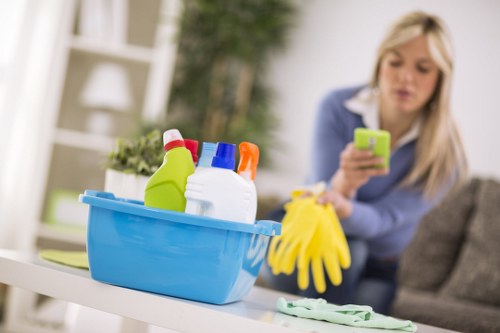
Upholstery cleaning is effective for a wide range of common household issues. Some problems are obvious, while others slowly build up until the fabric looks tired and smells stale. Understanding these issues can help you act before damage becomes permanent.
Stains are among the most obvious reasons people seek upholstery cleaning. Food spills, coffee drips, makeup marks, ink, and pet accidents can all leave traces on fabric. Some stains can be lifted with the right cleaning technique, while others require specialized treatment to avoid spreading or setting deeper into the fibers.
Odors are another frequent concern. Sofas and chairs absorb smells from pets, cooking, smoke, and moisture. Even if the upholstery looks clean, odor buildup can make an entire room feel less fresh. A thorough upholstery cleaning process can help neutralize trapped smells rather than simply masking them.
Additional Issues That Benefit from Upholstery Cleaning
Beyond stains and odors, upholstery cleaning can help with dust, allergens, and general discoloration. Fabric in high-traffic areas often becomes darker on seat cushions, armrests, and headrests due to constant contact. Cleaning can restore a more even appearance and reduce the dull, worn look that develops over time.
Pet hair and dander also collect quickly on upholstered surfaces. For households with cats or dogs, regular upholstery cleaning can make a major difference in cleanliness and comfort. It can also support allergy management by reducing the amount of trapped irritants in the home.
Mildew or moisture-related issues may also require upholstery cleaning, especially if a spill was not dried properly or furniture was exposed to a damp environment. Addressing these concerns promptly is important because lingering moisture can damage fabrics and create unpleasant odors. Prompt upholstery cleaning is always better than waiting until the problem becomes severe.
Popular Upholstery Cleaning Methods
Different fabrics and levels of soiling call for different upholstery cleaning methods. Using the right approach helps protect the material while still achieving a deep, effective clean. Before starting any upholstery cleaning project, it is important to identify the fabric type and check the manufacturer’s care label.
One of the most common methods is vacuuming. While it may seem basic, vacuuming is the foundation of upholstery cleaning because it removes loose dirt, crumbs, pet hair, and dust. Using a soft brush attachment and reaching into seams, corners, and crevices can significantly improve the final result.
Another popular approach is spot cleaning. This method focuses on visible stains or problem areas using a fabric-safe cleaning solution. Spot cleaning is useful for fresh spills and localized marks, but it must be done carefully to avoid over-wetting or damaging delicate upholstery. A small hidden test area is always recommended before treating the stain directly.
Deep Cleaning Techniques for Upholstery
Steam cleaning is often used for durable fabrics that can handle moisture and heat. This method can help loosen embedded dirt and refresh upholstery fibers. However, steam cleaning should only be used when the fabric is suitable for it, since excessive moisture can harm certain materials. When done correctly, it can be a powerful part of a broader upholstery cleaning plan.
Dry cleaning methods are preferred for some delicate fabrics. These techniques use minimal moisture and specialized compounds to lift soil without saturating the material. If you own upholstery made from sensitive fibers such as silk blends, rayon, or some types of velvet, dry upholstery cleaning may be the safest option.
Foam cleaning and encapsulation products are also widely used in modern upholstery cleaning. These methods apply low-moisture products that break down dirt and can be removed with minimal residue. They are especially useful when quicker drying times are needed, such as in busy households or commercial settings.
How to Know Which Upholstery Cleaning Method Is Right
The right upholstery cleaning method depends on several factors, including fabric type, age of the furniture, the nature of the stain, and how often the piece is used. Some upholstery materials are more durable than others, which means one chair may tolerate water-based cleaning while another requires a gentler process. Always start by reading care instructions if they are available.
Manufacturers often include cleaning codes that indicate suitable methods. Common codes include W for water-based cleaning, S for solvent-based cleaning, WS for either water or solvent, and X for vacuuming only. These codes are extremely helpful when planning upholstery cleaning because they reduce the risk of damage.
If you are unsure about the fabric, a professional upholstery cleaning service can help identify the safest approach. This is especially important for antique furniture, high-value pieces, or custom upholstery. Making the wrong choice can lead to fading, shrinkage, water marks, or fiber distortion. A cautious approach is always best.
Step-by-Step Upholstery Cleaning at Home
Home upholstery cleaning can be simple when approached methodically. Start by removing loose debris with a vacuum. Use a brush attachment and pay special attention to seams, tufts, and hidden areas where crumbs and dust tend to collect. This first step makes the rest of the cleaning process more effective.
Next, inspect the upholstery for stains, odors, and signs of wear. Identify any specific problem spots so you can treat them individually. For best results, use a fabric-appropriate cleaner and apply it lightly rather than soaking the surface. Gentle, controlled cleaning is usually more effective than aggressive scrubbing.
After applying the cleaning solution, blot the area with a clean cloth instead of rubbing it hard. Blotting helps lift the soil while protecting the fabric fibers. Once the upholstery cleaning is complete, allow the furniture to dry thoroughly in a well-ventilated area before use. Using fans or opening windows can speed up the process.
- Vacuum thoroughly before cleaning
- Check the fabric care code
- Test any cleaner in an inconspicuous area
- Blot stains instead of scrubbing
- Allow full drying time before sitting on the furniture
Best Practices for Safe Upholstery Cleaning
Safe upholstery cleaning begins with patience and preparation. Always test cleaners on a hidden area first to make sure the fabric does not discolor or react badly. This small step can prevent costly mistakes. It is also wise to use only a minimal amount of water or solution unless the fabric is specifically designed for wet cleaning.
Avoid harsh chemicals unless they are recommended for the exact fabric type. Strong cleaners may strip color, weaken fibers, or leave residues that attract more dirt over time. Neutral, upholstery-safe products usually work best for routine maintenance. For spot treatments, follow the product directions closely and never mix cleaning agents unless the label says it is safe.
Drying is just as important as cleaning. Upholstery that remains damp for too long can develop odors or mildew. Whenever possible, create airflow around the furniture after cleaning. Proper drying is a critical finishing step in any upholstery cleaning routine, especially in humid climates or enclosed rooms.
Professional Upholstery Cleaning vs. DIY Care
Many people handle basic upholstery cleaning themselves, but professional services offer important advantages. A skilled technician has access to specialized equipment, stronger extraction methods, and fabric-specific products that can provide deeper cleaning. If your furniture has stubborn stains, heavy soil, or delicate construction, professional upholstery cleaning may be the safest and most effective choice.
DIY care, on the other hand, is great for routine upkeep. Vacuuming, light spot treatment, and quick response to spills can keep upholstery in good condition between professional appointments. In many homes, the best approach is a combination of regular at-home care and periodic expert cleaning. This balance helps maintain appearance and extend furniture life.
When deciding between professional and DIY upholstery cleaning, consider your available time, the condition of the furniture, and the type of fabric. If you are dealing with a valuable sofa or deeply embedded contamination, professional service is often worth the investment. If the issue is minor, careful home cleaning may be enough. Upholstery cleaning works best when matched to the specific situation.
How Often Should Upholstery Be Cleaned?
The ideal schedule for upholstery cleaning depends on usage. A family sofa in a busy living room will need more attention than a chair used only occasionally. In general, vacuuming should be done weekly or biweekly, while deeper upholstery cleaning can be done every 6 to 12 months. Homes with pets, children, or allergy concerns may need more frequent care.
Spills should be addressed immediately. The faster you act, the easier it is to prevent a stain from setting. Even if you plan to schedule a full upholstery cleaning later, quick blotting and careful drying can make a huge difference in the final outcome. Quick response is one of the best habits any homeowner can develop.
If the furniture begins to smell stale, look visibly dull, or feel sticky or rough, it may be time for upholstery cleaning sooner than expected. Trusting your senses is often a good indicator. Clean furniture feels more comfortable, looks better, and contributes to a more pleasant living space.
Upholstery Cleaning for Different Fabric Types
Not all upholstery is created equal. Cotton, linen, microfiber, leather, velvet, wool blends, and synthetic fabrics each require unique care. A cleaning method that works beautifully on one fabric may cause damage to another. That is why upholstery cleaning should always begin with an understanding of the material itself.
Microfiber is often considered relatively durable and can frequently be cleaned with water-based or solvent-based products depending on the manufacturer’s label. Cotton and linen can be attractive but may be more prone to wrinkling or discoloration if over-wet. Leather requires special cleaners and conditioners rather than standard upholstery solutions. Each fabric category benefits from a tailored upholstery cleaning strategy.
Delicate or textured fabrics need extra caution. Velvet, silk blends, and ornate woven materials may require gentle brushing and minimal moisture. A professional upholstery cleaning provider is especially useful for these materials because the wrong process can flatten texture or create permanent marks. When in doubt, err on the side of caution.
Choosing Products for Upholstery Cleaning
Choosing the right product matters just as much as choosing the right method. Look for upholstery-safe cleaners that are suitable for your fabric and designed to remove dirt without leaving heavy residue. Many modern formulas are made to be low-odor, fast-drying, and gentle on fibers, which makes them ideal for routine upholstery cleaning.
Eco-friendly options are also increasingly popular. These products can be a smart choice for homes that prioritize safer indoor air and reduced chemical exposure. While eco-friendly does not automatically mean better performance, many of these cleaners offer excellent results when used correctly. Always read labels and follow instructions carefully.
For households with pets or children, choosing a cleaner that is fabric-safe and practical for regular use can make ongoing upholstery cleaning much easier. The best product is one that balances cleaning power, safety, and ease of use. Well-chosen products help protect your furniture investment over time.
Preventive Care Tips to Reduce Upholstery Wear
Preventive maintenance can dramatically reduce how often you need intensive upholstery cleaning. Simple habits such as rotating cushions, using throws, and keeping food and drinks away from fabric surfaces can go a long way. These small actions reduce the accumulation of dirt and help the furniture age more evenly.
Vacuuming regularly is another simple but powerful preventive measure. Dust and debris settle into upholstery quickly, especially in busy homes. Regular vacuuming keeps particles from embedding deeply into the fabric, which makes future upholstery cleaning easier and more effective. It also helps the furniture feel fresher in everyday use.
Consider setting household rules that support cleaner furniture, such as wiping pet paws before they jump onto the couch or using trays for snacks and beverages. Prevention does not replace upholstery cleaning, but it makes the process easier and helps your furniture stay attractive longer. Consistent care is the secret to long-lasting results.
Why Upholstery Cleaning Supports a Healthier Indoor Environment
Clean upholstery does more than improve appearance. It can also contribute to a healthier indoor environment by reducing dust buildup, allergens, and trapped pollutants. Fabric surfaces can hold onto particles that circulate in the air whenever someone sits down or moves furniture. Regular upholstery cleaning helps minimize this effect.
This matters especially for families dealing with allergies or asthma concerns. While upholstery cleaning is not a medical treatment, it can support a cleaner home by removing some of the irritants that collect in soft furnishings. Paired with regular vacuuming and good ventilation, it can be part of a healthier home care routine.
Fresh upholstery also improves how a room feels. Clean furniture creates a more inviting atmosphere and helps the entire space feel more maintained. For many households, upholstery cleaning is one of those small services or routines that produces a surprisingly large improvement in daily comfort.
When to Call a Professional for Upholstery Cleaning
There are clear situations where professional upholstery cleaning is the right decision. Large stains, persistent odors, delicate fabrics, and antique pieces often require expert care. Professional technicians can assess the material, select the most appropriate solution, and use equipment that reaches deeper into the fabric than many home tools can.
You may also want professional upholstery cleaning when you are preparing for a special event, moving into a new home, or refreshing a piece of furniture after years of use. In these situations, a deeper clean can dramatically improve the appearance and comfort of the room. Professional service can save time and help avoid mistakes that might occur during DIY attempts.
If you have tried basic methods without success, that is another good time to seek expert help. A professional can often target the issue more effectively and restore the furniture in a way that is difficult to achieve on your own. Book your service now if your furniture needs a noticeable refresh.
Conclusion: Make Upholstery Cleaning Part of Regular Home Care
Upholstery cleaning is a practical way to improve the look, feel, and cleanliness of your home. It removes dirt, lifts stains, reduces odors, and helps furniture last longer. Whether you handle basic cleaning yourself or bring in a professional, consistent care makes a real difference. Well-maintained furniture supports a more comfortable and attractive living space.
By learning how different fabrics respond to cleaning, choosing the right products, and acting quickly when spills happen, you can protect your upholstery from unnecessary wear. A thoughtful upholstery cleaning routine is not just about appearances; it is about preserving comfort and value. It is a simple habit with lasting benefits.
If your sofas, chairs, or other upholstered pieces are ready for attention, contact us today and take the next step toward cleaner, fresher furniture. Upholstery cleaning can transform your living space, and the sooner you begin, the better the results will be.